
All New Subarus Purchased Include a Complimentary Limited 10 Year/150K Mile Warranty Powered By AllState - Open Sundays from 10am to 3pm
Subaru Maintenance After 100,000 Miles: What NH Drivers Need to Know
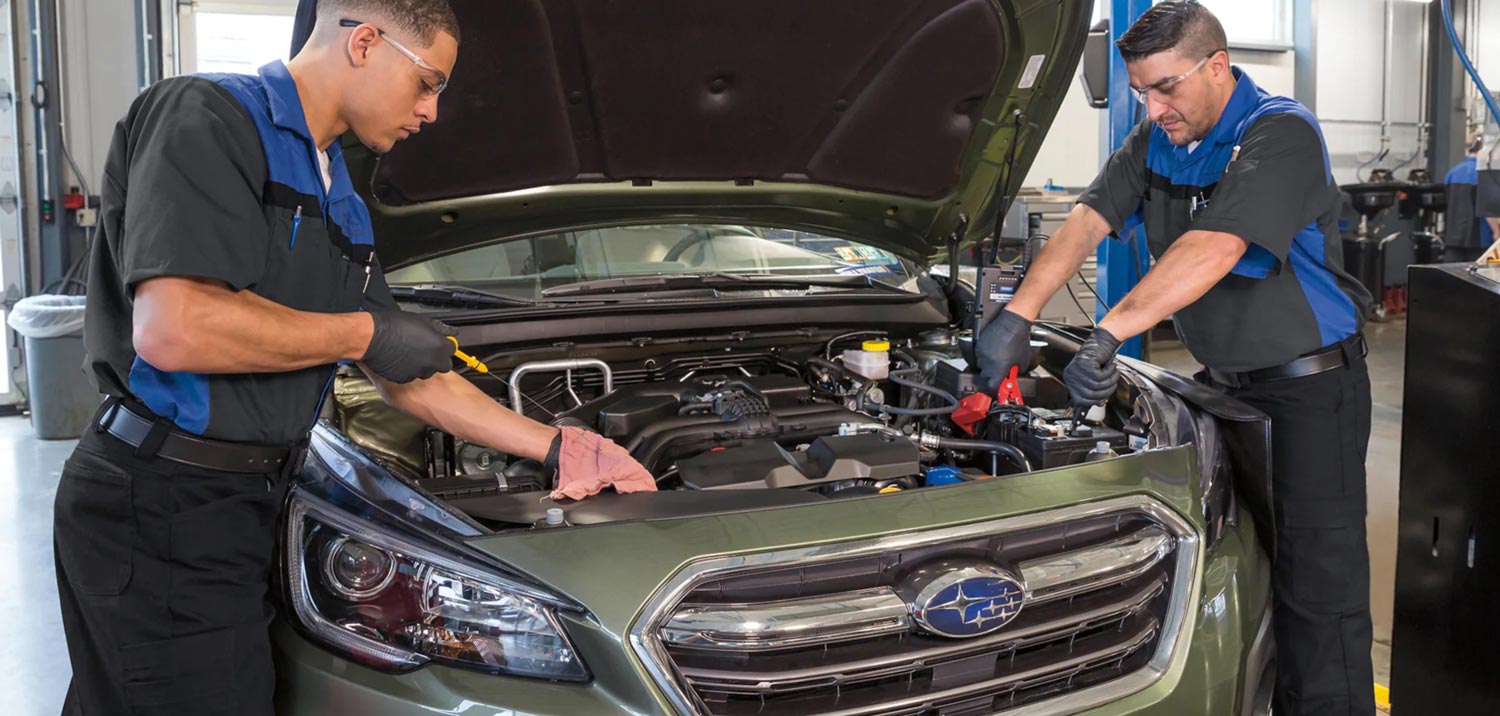
Reaching 100,000 miles in a Subaru is a key milestone, especially in New Hampshire where vehicles face snow, road salt, and harsh seasonal changes. Subaru models are known for durability and all-wheel drive, but after this point, maintenance becomes more about prevention than basic upkeep.
Small issues can begin to show if service has been inconsistent. With proper care, however, most Subarus can easily go well beyond 150,000 miles while staying reliable and safe year-round.
Engine Care and High-Mileage Oil Service
After 100,000 miles, consistent engine maintenance is key to keeping a Subaru reliable. Boxer engines are durable, but they still rely on clean oil and proper lubrication, so regular oil changes every 5,000 to 7,500 miles remain important.
In New Hampshire, cold starts and short trips add extra strain and can lead to moisture buildup, making timely service even more critical. Staying on schedule helps prevent sludge and long-term engine wear.
Air filters should also be inspected more frequently since a dirty engine filter can reduce performance and a clogged cabin filter can impact air quality during long winter months.
CVT Transmission Service and Performance
Many Subaru models use a Continuously Variable Transmission (CVT), which needs closer attention after 100,000 miles. Although some manufacturers call the fluid "lifetime," real-world driving, especially in cold New Hampshire winters, shows it does break down over time.
Stop-and-go traffic, highway use, and hills all contribute to wear. If the CVT fluid hasn't been changed, a service is often recommended to help maintain smooth performance and reduce long-term damage.
Small symptoms like hesitation or changes in shifting feel can signal early wear, so addressing them quickly helps prevent bigger repairs.
All-Wheel Drive System Maintenance
Subaru's Symmetrical All-Wheel Drive system is one of its biggest advantages, especially in snow and wet conditions, but it still needs maintenance after 100,000 miles.
Front and rear differential fluids should be inspected and replaced on schedule since they wear down over time. Transfer case and driveline components should also be checked to ensure the AWD system continues delivering reliable traction in winter conditions.
Brake System and Winter Road Wear
Brake systems need closer attention after 100,000 miles, especially in snowy regions like New Hampshire where salt exposure is common. Brake pads and rotors may already have been replaced, but brake fluid condition becomes increasingly important.
Brake fluid absorbs moisture over time, which can reduce braking performance and lead to internal corrosion. A fluid flush helps maintain consistent stopping power and protects system components.
Calipers, brake lines, and hardware should also be inspected for rust or sticking, which is more common after repeated winter driving.
Suspension Wear and Ride Quality
After 100,000 miles, suspension components often begin to show noticeable wear. Subaru vehicles are built to handle rough roads and weather conditions, but shocks and struts eventually lose their ability to absorb impacts effectively.
Drivers may notice increased bouncing, uneven tire wear, or reduced handling stability. Control arms, bushings, and ball joints should also be inspected for looseness or cracking.
Replacing worn suspension components not only improves comfort but also restores stability and safety, especially during icy or wet road conditions common in New England.
Cooling System Reliability
The cooling system becomes more important as mileage increases because Subaru engines rely on stable operating temperatures. Any issue in this system can quickly lead to overheating.
Radiators, thermostats, and water pumps should be inspected for leaks or wear, and coolant should be checked regularly. New Hampshire's temperature extremes also add stress, speeding up normal wear over time.
Timing System and Engine Longevity
Depending on the Subaru model, the timing system may use either a timing chain or timing belt. Timing chains are designed to last longer but still require inspection for tension and wear. Timing belts, on the other hand, typically require replacement at scheduled intervals and should be carefully evaluated once the vehicle reaches higher mileage.
This is one of the most critical maintenance items because failure can cause severe engine damage. Staying ahead of timing system maintenance is essential for long-term reliability.
Tires, Alignment, and Seasonal Driving
Tires play a major role in Subaru performance, especially in snowy conditions. After 100,000 miles, uneven wear patterns become more common if alignment has not been regularly maintained.
Rotating tires regularly and checking alignment helps extend tire life and ensures consistent traction. Many drivers in New Hampshire also switch between all-season and winter tires, which can significantly improve safety during harsh winter months.
Proper tire maintenance supports the AWD system by ensuring all four wheels maintain consistent grip.
Rust Prevention and Underbody Care
One of the biggest long-term challenges for New Hampshire drivers is rust. Road salt and moisture exposure can gradually affect underbody components, brake lines, exhaust systems, and suspension mounting points.
Regular washing during winter months, including underbody rinses, helps reduce salt buildup. At higher mileage, it becomes important to inspect the underside of the vehicle for corrosion and address any weak spots early before they spread.
Rust prevention is one of the most important factors in extending the lifespan of a high-mileage Subaru in this region.
Long-Term Maintenance Strategy
At this stage of ownership, consistency is everything. Staying on top of fluid changes, replacing worn parts early, and addressing small issues before they grow helps ensure the vehicle remains dependable for years to come.
Many Subaru vehicles can easily reach 150,000 to 200,000 miles or more when properly maintained, even in demanding climates like New Hampshire. The key is proactive care rather than reactive repairs.
To Keep your Subaru Running Great, Take it into Granite Subaru For Maintenance
A Subaru at 100,000 miles is not nearing the end of its life, especially when it has been properly maintained. Instead, it enters a phase where attention to detail becomes even more important. From the AWD system to the transmission, brakes, suspension, and rust prevention, each component plays a role in keeping the vehicle safe and reliable through all four seasons.
For continued maintenance, inspections, and professional repairs, take your Subaru to Granite Subaru for trusted service and long-term care that helps keep your vehicle performing at its best for many more miles ahead.